

Gout is a common type of arthritis that occurs when there is too much uric acid (sodium urate) in the blood, tissues, and urine. Uric acid is the end product of the metabolism of a class of chemicals known as purines. In people with gout, the body does not produce enough of the digestive enzyme uricase, which oxidizes relatively insoluble uric acid into a highly soluble compound. As a result, uric acid accumulates in the blood and tissues and, ultimately, crystallizes.
Presentation
When it crystallizes, uric acid takes on a shape like that of a needle and, like a needle, it jabs its way into the joints. It seems to prefer the joint of the big toe, but other joints can be vulnerable as well, including the mid-foot, ankle, knee, wrist, and even the fingers. Uric acid is more likely to crystallize at lower temperatures, which may explain why roughly 90 percent of gout attacks affect cooler extremities like the big toe. Acute pain is usually the first symptom. Then the affected joints become inflamed, almost infected-looking – red, swollen, hot, and extremely sensitive to touch. Repeated attacks of gout over a long period can lead to joint damage.
It should be noted that uric acid is not a fundamentally harmful substance, but a powerful antioxidant, almost as effective as vitamin C, that helps to protect cells from oxidative damage. It is only when the levels become abnormally elevated that it becomes problematic. Approximately 70 percent of people who suffer from gout produce produce too much uric acid, and 30 percent cannot properly eliminate it from their bodies. About 25 percent have a family history of gout. Elevated levels of uric acid in the blood can also be an indicator of poor kidney function.
Causes of gout
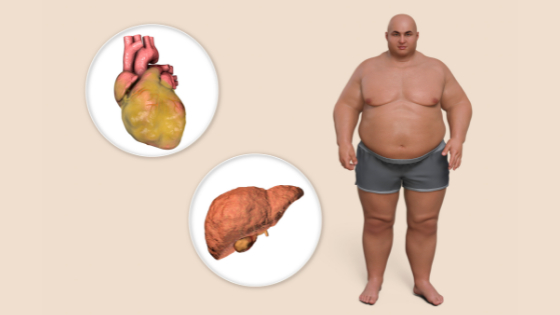
Uric acid is a byproduct of certain foods, so gout is closely related to diet. Obesity and an improper diet increase the risk of developing this disease. It has been called the rich man’s disease since it is associated with too much rich food and alcohol. But in fact, it affects people from all walks of life, most commonly men between the ages of forty and fifty. It may be inherited or brought on by crash dieting, drinking, certain medications, overeating, stress, surgery, or injury to a joint. Approximately 90 percent of the people who suffer from gout are male. Uric acid kidney stones may be a related problem.
Diagnosis
Diagnosing gout can be difficult when the symptoms appear in the joints – several other diseases can mimic it, including rheumatoid arthritis and infections. Pseudo-gout (false gout), another form of arthritis, produces joint inflammation, redness, and swelling in the larger joints (usually the knees, wrists, or ankles) caused by the development of calcium pyrophosphate dihydrate crystals in one or more joints. The best way to get a definitive diagnosis of gout is for a physician to insert a needle into the affected joint, remove some fluid, and examine the fluid under a microscope for the characteristic uric acid crystals.
Would you like to consult with Nutri Health’s specialist about gout-related health issues?