

Epilepsy is a condition characterized by recurring seizures. Seizures are a symptom of epilepsy, but not all people who have seizures have epilepsy, and even those who do may also have seizures that are not epileptic in nature. An epileptic seizure is a temporary malfunction of the brain caused by the nerve cells in the cerebral cortex. The seizures rarely damage the brain, but they can make life difficult.
Triggers of Epilepsy
The underlying cause, or causes, of epilepsy are relatively unknown. Seizures may occur for no apparent reason or may be triggered by a wide range of things, including exposure to an allergen; drug or alcohol withdrawal; fever; flashy lights; hunger; hypoglycemia; infection, lack of sleep; metabolic or nutritional imbalances; or trauma, especially head injury.
Types of Seizures
- Absence (previously known as petit mal): This type of seizure is most common in children and teenagers. It is characterized by a blank stare lasting about half a minute; the person appears to be day dreaming. During this type of seizure, the individual is unaware of his or her surroundings. Staring or daydreaming in children should not be confused with absence seizures. If a child is daydreaming, he or she can be aroused by a simple touch or someone talking to him or her. A child having an absence seizure cannot.
- Atonic (drop attack): A childhood seizure in which the child loses consciousness for about ten seconds and usually falls to the ground because of a complete loss of muscle tone.
- Complex partial (temporal lobe): A blank stare, random activity, and a chewing motion are characteristics of this type of seizure. The person may be dazed and unaware of his or her surroundings, and may act oddly. There is no memory of this seizure. A person may experience a distinctive warning sign called an aura before this type of seizure. The aura is itself a form of partial seizure, but one in which the person retains awareness. The aura may be experienced as a peculiar odor, “butterflies” in the stomach, or a distorted sound. One man with epilepsy, an ardent racetrack gambler, said he always heard the roar of a crowd, followed by the name of a favorite racehorse, just before he lost consciousness.
- Generalized tonic-clonic (previously known as grand mal): This type of seizure is characterized by sudden cries, fall, rigidity and jerking of the muscles, shallow breathing, and bluish skin. Loss of bladder control is possible The seizure usually lasts two to five minutes, and is followed by confusion, fatigue, and/or memory loss. It can be frightening to witness, especially for the first-time observer.
- Myoclonic: Brief, massive muscle jerks occur.
- Simple partial (Jacksonian): Jerking begins in the fingers and toes and progresses up through the body. The person remains conscious.
- Simple partial (sensory): The person may see, hear, or sense things that do not exist. This may occur as a preliminary symptom of a generalized seizure.
Epilepsy in Children
One-third of Epileptics are Children
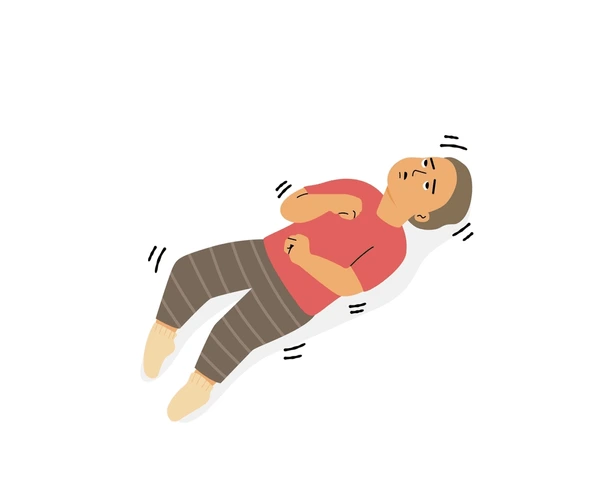
Seizures in children can be partially disturbing. They are the most common neurological problem affecting children-indeed. Idiopathic epilepsy (seizures of unknown cause) or febrile seizures (non-epileptic seizures induced by fever) affect abut 3 percent of children. Angelman syndrome (a rare congenital disorder seen in children) is associated with seizures or tremors. Lennox-Gastaut syndrome is a severe seizure disorder that usually develops in children between the ages of one and eight. Seizures in very young children often stem from brain injury before birth, damage to the central nervous system, or metabolic inconsistencies. In older children, epilepsy is more likely to result from genetic factors, infections of the central nervous system, or head injury.
Do you feel like you want to consult with us about Epilepsy or other health need? We are happy to serve you.