

Knowing the warning signs and factors that increase the risk of developing different forms of cancer can save your life.
Of all the cancer deaths that occur, about one-third can be attributed to dietary factors, with another third being caused by cigarette smoking.
Healthy lifestyle choices at any stage of life are a major step toward cancer prevention.
Following are descriptions of some of the major types of cancer, including information about who is affected, what the symptoms are, how these diseases can be detected and diagnosed, and what you can do to reduce your risk of contracting them.
BLADDER CANCER
Bladder cancer is the fourth most common cancer in males and eighth most common in females and is usually diagnosed later in life.
Causes and Risk Factors
The cause of bladder cancer is not known. Smoking is the number-one factor associated with bladder cancer. Also linked to bladder cancer are exposure to certain chemicals such as benzidines, aniline dyes, naphthalenes; radiation exposure; hereditary; possibly extremely high consumption of saccharin; a history of schistosomiasis (a tropical disease); chronic urinary tract infections or inflammation; and working in the dye chemical, rubber, and leather industries.
Detection and Diagnosis
Bladder cancer can be detected by examining the bladder through a cystoscope, examining cells in the urine, or having intravenous pyelography (IVP, a special kidney x-ray) performed. Sometimes a large tumor can be detected through a rectal or vaginal exam.
Dietary and Nutritional Factors
Cruciferous vegetables such as broccoli, Brussels sprouts, cabbage, cauliflower, and kale have been credited with lowering the risk of bladder cancer due to their antioxidant and other cancer-fighting compounds. Eating the recommended servings of fruits such as apples, berries, cherries, oranges, pears, and tomatoes can reduce the risk by 45 percent. Drinking a lot of liquids, especially pure water, helps to dilute carcinogens and increase urination, lessening the time any carcinogens in the bladder have to do any damage.
Taking Vitamin A, beta carotene, vitamin C, and a multivitamin have shown reductions in the risk of getting bladder cancer. Dimethylsulfoxide (DMSO) is an FDA-approved nontoxic solvent that has been shown to aid in treatment.
CERVICAL CANCER
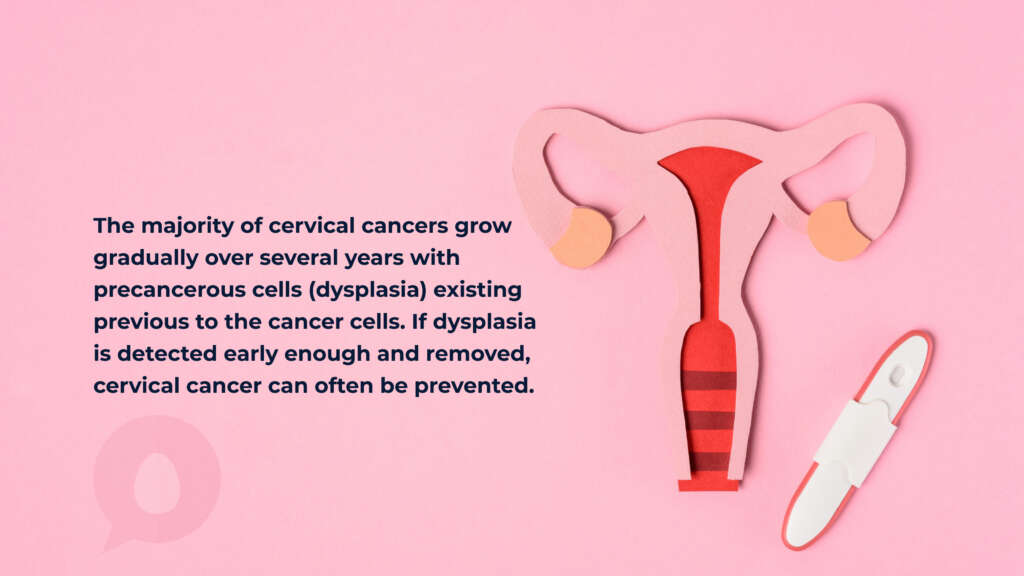
Invasive cervical cancer is the second most common type of cancer in women and accounts for over 11 percent of all cancers around the world. The majority of cervical cancers grow gradually over several years with precancerous cells (dysplasia) existing previous to the cancer cells. If dysplasia is detected early enough and removed, cervical cancer can often be prevented.
Causes and Risk Factors
Most cervical cancers are associated with infection with human papillomaviruses (HPV), which can be transmitted sexually. Associated risk factors include having had more than five complete pregnancies; first intercourse before eighteen; unprotected sex; sexually transmitted infections, including HIV, HPV, and genital herpes; early childbearing; multiple sex partners; infertility; low socioeconomic status; smoking; and nutritional deficiencies.
Signs and Symptoms
Cervical cancer usually causes no symptoms until it is advanced, which is why women need to have regular pelvic exams and Pap tests. It can cause bleeding between menstrual periods, bleeding after intercourse or douching, unusual discharge, painful menstrual periods, and heavy periods.
Detection and Diagnosis
The presence of abnormal cells can be detected by a Pap test, followed up with a biopsy. Women should begin having annual pelvic exams and Pap tests when sexual activity begins, or at age eighteen (after three or more normal exams, your doctor may recommend decreasing the frequency of the exams unless you have had dysplasia or are at increased risk for other reasons).
Dietary and Nutritional Factors
A diet low in fatty meats (especially pork), red meat, cheeses, and white bread, and high in soy products, fruits, dark green vegetables, tomatoes, whole grains, and yogurt offers the best dietary protection. If you do not consume 3-5 servings of fruits and vegetables daily, you should take vitamin C (500-1000mg daily), E, A, and beta carotene (25,000-50,000 international units daily) in supplement form. Folic acid, one of the B vitamins (400-800 mcg daily), can not only aid in prevention but it has been known to reverse precancerous changes in cervical cells.
COLORECTAL CANCER
The large intestine is made up of the colon (the upper five to six feet) and the rectum (the last six to eight inches). This is where the last stage of digestion occurs and where solid waste is held until it is released. Colorectal cancer is second to only lung cancer among cancers that kill both men and women. Mostly credited to an increase in screening for and removal of polyps, the incidence has been declining during the past decade.
Most colon cancers occur in people over fifty. It strikes men and women nearly equally. Colorectal cancer develops over a ten-to-fifteen-year period and produces no symptoms until it is advanced. If the disease is detected early enough and the tumor has not metastasized, the survival rate is quite high.
Causes and Risk Factors
A genetic defect is connected with some forms of familial colon cancer. Other causes are not known. Risk factors associated with colorectal cancer include calcium deficiency; colorectal polyps; family history of colon cancer (Lynch syndrome); continued constipation and/or diarrhea; personal history of colon-related diseases or uterine or ovarian cancer, such as polyps, non-polyposis colon cancer possibly diabetes; a diet high n saturated animal fat and low fiber; high intake of charbroiled, burned, wood-smoked, or fried foods; obesity; smoking; alcohol consumption; and cancer in another part of the body. Many studies have shown that active people are not as likely to develop colon tumors as those who do not regularly engage in physical activity.
Signs and Symptoms
Symptoms of colorectal cancer can include rectal bleeding; blood in the stool; changes in bowel habits (persistent diarrhea, gas pains, and/or constipation); persistent abdominal pain or bloating; anemia or significant weight loss; unusual paleness or fatigue; and ulcerative colitis.
Detection and Diagnosis
Screening for colon cancer is the best way to detect polyps before they turn cancerous. During regular checkups (and annually after the age of forty), men and women should have a rectal exam. Beginning at age fifty, one of the following tests should be performed along with a rectal exam:
- Fecal occult blood test (FOBT) and flexible sigmoidoscopy (if normal, repeat the FOBT yearly and the flexible sigmoidoscopy at 5-year intervals).
- Colonoscopy (if normal, repeat at 10-year intervals)
- Double contrast barium enema or colon x-ray (if normal repeat 5-10-year intervals).
- If you have a personal history of inflammatory bowel disease, you should have a colonoscopy every one to two years. If you have a family history of colorectal cancer, you may have an inherited genetic mutation that can lead to polyps and/or cancers developing at an early age, even in the teenage years. Investigate any family history of colon cancer and discuss proper screening guidelines with you physician.
Dietary and Nutritional Factors
It was once believed that a high-fiber diet protects the colon by reducing the time any harmful carcinogens that are present in the stool are in contact with the intestinal wall. There have since been conflicting reports on this, but most health professionals still recommend a high-fiber diet, low-fat diet. A high-fat diet has a strong link with colon cancer. Either a vegetarian diet or a diet low in red meat, alcohol, and refined foods and high in vegetables, fruits, soy, fish, whole grain bread, and cereals, as well as low or nonfat dairy products and lots of fruit and vegetable juices offers optimum dietary protection. Garlic, broccoli, cabbage, cauliflower, Brussels sprouts, citrus fruits, melons, and dark green, red, and yellow vegetables are recommended for their antioxidant and sulfur compounds. Tomatoes may lower the risk. Consumption of chlorinated water has been linked to a great incidence of colon cancer. Coffee has been reported to have positive effects in reducing colon cancer risk.
Beta-carotene, calcium (1,200 mg daily), selenium, vitamins C and E, and the long-term use of a multivitamin containing folic acid (above 400mcg daily) have been linked to a reduced risk of colon cancer. Probiotics (which can in found in yogurt and supplements) may inhibit colon cancer. Low levels of vitamin D and, possibly, excessive iron intake, have been associated with an increased risk of colon cancer. Quercetin has been shown to have anticancer properties concerning colon cancer.
ESOPHAGEAL CANCER
Esophageal cancers are more common in men than in women. Tumors in the esophagus usually occur in the middle or lower half of the esophagus. Esophageal cancer is one of the fastest-growing and deadliest forms of cancer because symptoms usually do not occur before it is in the advanced stages when there is little chance of recovery.
Causes and Risk Factors
The cause of esophageal cancer are not well understood. Risk factors include the use of tobacco and/or alcohol; age; personal history of Barrett’s esophagus (a precancerous condition resulting from the reflux of stomach fluid into the bottom portion of the esophagus over extended period), achalasia (constriction of the lower portion of the esophagus), tylosis (a very rare inherited disease that causes the overgrowth of skin on the palms of the hands and soles of the feet), or esophageal webs (small portions of tissue that stick out into the esophagus, often making it difficult to swallow); a high-fat diet; consumption of wood-smoked foods; previous ingestion of lye; and frequent heartburn. The risk generally rises with age. Those who drink and smoke or drink heavily (or both) are at greatest risk.
Signs and Symptoms
Usually, there are no symptoms until the cancer is in the advanced stages. When they develop, symptoms may include progressive dysphagia (difficulty swallowing), often with a feeling of something being stuck in the throat or chest; vomiting and vomiting of blood; bringing up excess mucus; and unintended weight loss.
Detection and Diagnosis
See your doctor without delay if swallowing becomes even the slightest problem. Your doctor may use a barium x-ray and an endoscopic exam, or request a biopsy. A computerized tomography (CT) scan or a newer procedure called an endoscopic ultrasound (an endoscope with an ultrasound probe) may also be ordered.
Dietary and Nutritional Factors
A diet high in fruits (including tomatoes) and vegetables may decrease the risk of this form of cancer. Fish, berries, mushrooms, and Brussels sprouts are all good sources of omega-3 fatty acids, which offer protection. The consumption of salted, pickled, or moldy foods has been associated with an increased risk. Another risk factor may be the consumption of extremely hot or cold foods that cause physical damage to the esophagus.
Vitamins A and C, selenium, and riboflavin may help protect against esophageal cancer. Spirulina has been found in several studies to inhibit the growth of oral tumors.
LARYNGEAL CANCER
The larynx (also known as the voice box) is part of the respiratory tract between the pharynx and the trachea, containing the vocal cords. Cancer of the larynx affects more men than women. It usually strikes after the age of 50. Most laryngeal cancers develop from squamous cells, the thin layer of cells that make up the lining of the larynx. This type of laryngeal cancer usually begins as dysplasia and forms over a while. In fact, most of the precancerous cells go away on their own without treatment.
However, some of them form carcinoma in situ (CIS), the earliest form of cancer. Tumors located on the true vocal cords rarely spread because the connective tissues underneath do not contain lymph nodes, but tumors on the other parts of the larynx are apt to spread early. Laryngeal cancer can be treated by radiation therapy, especially if diagnosed early, and by surgery to remove part or all of the larynx. If the larynx is completely removed, you must learn a new method of speech that involves the swallowing of air and bringing it up again.
Causes and Risk Factors
Most causes of laryngeal cancer are associated with the prolonged use of tobacco and/or alcohol. Associated risk factors include chronic inhalation of fumes; frequent laryngitis or vocal straining; and an inherited predisposition.
Signs and Symptoms
Possible symptoms of laryngeal cancer include a persistent cough; hoarse throat; swallowing difficulties; sometimes with a pain that radiates to the ear; persistent ear pain; chronic sore throat, sometimes so mild that it is hardly noticed; blood in saliva or sputum; unintended weight loss; and difficulty breathing.
Detection and Diagnosis
Persistent symptoms such as those listed above should be evaluated by a doctor who specializes in the head and neck area, or an otolaryngologist. Most voice changes are not a sign of cancer, but it is better to be safe and see a doctor if you are hoarse for more than two weeks. Diagnosis is made by laryngoscopy (visual examination of the larynx using a scope) plus biopsy.
Dietary and Nutritional Factors
The diet should be rich in fruits, vegetables, and foods containing vitamin A, the B vitamins, and retinoids. It is best to avoid alcohol.
If you are unable to acquire proper amounts of the above nutrients through diet alone, you should take supplements. Be sure that your total daily intake of vitamin A does not exceed 25,000 international units.
LEUKEMIA
Leukemia is any of a variety of diseases of the blood-forming tissues (bone marrow, lymph system, or spleen). Leukemia involves the production of abnormal white blood cells that do not function like normal cells, do not mature properly, and do not die off in a normal fashion. Leukemia affects both children and adults, although certain forms are most common in particular age groups.
There are many different types of leukemia. Leukemias are categorized by type (named after the type of cell infected) and by whether they are chronic (in which the growth rate is slow) or acute (in which the onset is sudden). While there is no known cure, transfusions, chemotherapy, and bone marrow transplants are often effective treatments. Newer treatments include stem cell transplant, umbilical cord blood cell transplant, infusion of cell-specific antibodies, and biological therapy.
Causes and Risk Factors
No one knows exactly what causes leukemia, but suspected causal factors include genetics, viruses, and exposure to certain toxic chemicals. Known risk factors include heredity, radiation exposure, chronic viral infections, age, Down Syndrome, having a sibling with leukemia, exposure to human T-cell lymphotropic virus (HTVL-1), use of commercial hair dyes, alkylating agents, certain cancer therapies, and environmental exposure to benzene (found in unleaded gasoline) or radon.
Signs and Symptoms
Signs and symptoms of leukemia can include paleness; fatigue; shortness of breath; when active; weight loss; repeated infections; excessive sweating; fever; easy bruising, slow-healing cuts; bone and joint pain; nosebleeds, swollen lymph nodes; and enlarged liver or spleen.
Detection and Diagnosis
Leukemia is usually diagnosed through blood tests and, possibly, bone marrow biopsy.
Dietary and Nutritional Factors
Soy products, which contain genistein and other isoflavones, may offer protection against leukemia. Good soy foods include tempeh, roasted soy nuts, soy powder protein, and miso.
The bioflavonoid quercetin has been found in numerous studies to have anti-leukemia properties. Genistein has shown positive effects in destroying leukemia cells in laboratory tests. Low selenium levels have been associated with greater risk.
LUNG CANCER
Lung cancer is the most common cause of cancer-related death in both men and women. The average age at diagnosis is sixty. There are two general types of lung cancer; small cell (or oat cell) lung cancer, which accounts for approximately 25 percent of all lung cancers, and non-small lung cancer, which accounts for approximately 75 percent of all lung cancers. Small cell lung cancer grows very rapidly and tends to spread early to other parts of the body, This type of lung cancer is commonly found in smokers. There are three main types of non-small cell lung cancer: squamous cell carcinoma (the most common form of lung cancer), adenocarcinoma, and large cell carcinoma.
If caught before it has spread to the lymph nodes or other organs, lung cancer has about a 50 percent survival rate. However, most cancers (about 85 percent) are not caught at an early stage because they do not generally produce early symptoms, making the all-around survival rate relatively low-only about 12 percent – although it has been improving thanks to new diagnostics and drugs.
Causes and Risk Factors
Smoking is the leading cause of lung cancer and is thought to be responsible for over 80 percent of cases. Associated risk factors include marijuana use; exposure to secondary smoke; asbestos exposure; nickel, chromates, radon, or radioactive materials; alcohol consumption; chronic bronchitis; history of tuberculosis; exposure to certain carcinogenic chemicals in the workplace, such as pesticides and herbicides; pollution; radon exposure; having had previous lung cancer; personal history of lung disease caused by breathing certain minerals; tuberculosis; arsenic compounds; lung scarring from certain types of pneumonia; exposure to raw forms of talcum powders (not those found in household powders such as baby and facial powders); and deficiency (or excess) of vitamin A.
Signs and Symptoms
Lung cancer can cause a persistent cough; sputum with blood; chest pain; shortness of breath; fatigue; hoarseness; unintended weight loss; loss of appetite; recurring bronchitis or pneumonia; fever for an unknown reason; new onset of wheezing; swelling of neck and face.
Detection and Diagnosis
If you have any persistent symptoms, see your doctor.
Although many of these symptoms are often caused by other conditions, an examination is a crucial step in early detection. If your doctor does suspect lung cancer, he or she may order a series of imaging screenings, a study of a phlegm culture, a biopsy, a mediastinoscopy, a bronchoscopy, a bone marrow biopsy, and/or blood tests. Two diagnostic imaging tools may be used in place of a biopsy: The Xillix LIFE-Lung Fluorescence Endoscopy System and Nofetumomab. Another imaging test, called NeoTect, may also aid in diagnosing cancer – possibly eliminating the need to have a biopsy done on a suspicious growth. A new chest scanning technique called low-dose computed tomography (CT) may be a screening option if you are at high risk for lung cancer.
Dietary and Nutritional Factors
A diet high in fruits (including tomatoes) and vegetables is associated with a greatly reduced risk of lung cancer. Shiitake mushrooms contain lentinan, which may also offer protection.
Genistein, an antioxidant found in soybeans, may have an inhibiting effect on the growth of lung cancer cells. Alpha-carotene, beta-carotene, and other carotenoids are believed by many researchers to aid in reducing the risk of lung cancer, although there is some evidence that beta-carotene may be linked to a higher rate of lung cancer and mortality in smokers, former smokers, and those subjected to exposure to asbestos in their working environments.
Vitamins C and E, beta-carotene, selenium, and the B vitamins have also been associated with a decreased risk of lung cancer.
LYMPHOMA (NON-HODKIN’S)
A key player in the body’s immune system, the lymphatic system, is made up of a circuity of vessels that branch out and spread to all of the body’s tissues-much like blood vessels do, Lymph nodes, found in the abdomen, chest, groin, neck, and underarms, are located along these vessels. Other parts of the lymph system include adenoids, none marrow the spleen, tonsils, and thymus gland, The intestines, skin, and stomach also contain lymphatic tissue, Lymph is a colorless fluid that contains lymphocytes, which fight infections.
Cancer that develops within the lymphatic system is categorized as Hodgkin’s disease or non-Hodgkin’s lymphoma (all other forms of cancers in the lymph system). In non-Hodgkin’s lymphoma (NHL), the body’s ability to fight off infection is significantly decreased because fewer than normal white blood cells are produced. In addition, the cancer can spread through the lymphatic vessels to other parts of the body. NHL can be low-grade (slow-growing), intermediate-grade, or high-grade. Both intermediate-grade and high-grade NHL are fast-growing and can be deadly within 1 to 2 years if left untreated. Although this type of cancer can develop at any age, older adults are at higher risk.
Causes and Risk Factors
At least some cases of lymphoma are linked to a viral cause. In other cases, the cause is unknown. Risk factors include hereditary; immune-system dysfunction; exposure to herbicides; pesticides, or black hair dye; a diet high in red meat; AIDS; immune-depressing therapies; previous organ transplantation; benzene; and HTVL-1.
Signs and Symptoms
Symptoms of non-Hodgkin’s lymphoma vary, depending on the area of cancer growth. If cancer is in the abdomen, it can cause nausea, vomiting, and abdominal pain or enlargement; in the chest-shortness of breath and cough; in the brain-headaches, vision changes, and seizures; in the bone marrow-anemia; in the thymus-shortness of breath or feeling of suffocation, and coughing.
Detection and Diagnosis
A biopsy can be done on the lymphatic tissue to detect if there is any cancer present, and if so, what type. If any symptoms of non-Hodgkin’s lymphoma are persistent, you should see your doctor for proper evaluation.
Dietary and Nutritional Factors
The diet should be low in fat and high in fiber. Alcohol should be avoided.
MOUTH (ORAL) CANCER
Oral cancer is twice as common in men as in women, although the incidence is rising in women and falling in men.
Tumors in the oral cavity are not always malignant, however, some tumors can be precancerous. Oral leukoplakia is a precancerous condition of the mouth to which smokers and drinkers are particularly prone. People who have had cancer in the oral cavity are at greater risk of developing cancer in nearby areas and should have follow-up exams regularly throughout their lives.
Causes and Risk Factors
Smoking and the use of chewing tobacco are the primary causes of oral cancer. Other risk factors include irritants inside the mouth, such as a broken tooth, or ill-fitting or broken denture; excessive alcohol intake; chronic use of a mouthwash with high alcohol content; poor oral and dental hygiene; ultraviolet light exposure to the lips; vitamin deficiency; Plummer-Vinson syndrome; HPV; Immune system depression.
Signs and Symptoms
While some oral cancers produce early symptoms, others do not until it is advanced. Symptoms may include a chronic sore of the mouth, tongue, or throat that does not heal; loss of feeling in the mouth or tongue; discolored patches in the mouth or throat area; swallowing difficulty or a feeling that something is stuck in the throat; mass in the cheek or neck; swelling or motion difficulty of the jaw changes in the voice; and unintended weight loss. Cancer in the mouth has been known to disguise itself as another condition – even as a toothache.
Detection and Diagnosis
Cancer in the mouth can be found early through recommended regular exams by the dentist or doctor. If cancer is suspected, your doctor will refer you to an otolaryngologist (head and neck specialist. The doctor may perform a complete head and neck exam, which may or may not include a biopsy. If it is likely that cancer is present, a panendoscopy will be done, which includes a complete, thorough exam performed under anesthesia.
Dietary and Nutritional Factors
A diet low in fat and high in fruits (including tomatoes) and vegetables, with little or no alcohol consumption, is recommended., Omega-3 fatty acids, found in fish, berries, mushrooms, and Brussels sprouts, offer protection against oral cancer. Fiber-containing foods, soy, and other legumes may also reduce the risk.
Vitamin deficiencies have also been associated with oral cancer. Spirulina has been found in several studies to inhibit the growth of oral tumors.
OVARIAN CANCER
Ovarian cancer is a deadly form of cancer-it kills more women than any other type of cancer of the reproductive system. If diagnosed and treated early, however, the survival rate is quite high. Unfortunately, ovarian cancer is known as a silent disease that produces no symptoms until it is in its later stages, so the death rate is also quite high.
The risk of developing ovarian cancer heightens past the age of 40 and menopause further increases the risk.
Causes and Risk Factors
The cause or causes of ovarian cancer are not known. Risk factors include not having gone through pregnancy and childbirth: exposure to asbestos or radiation; high dietary fat intake; the use of talcum powder in the genital area; personal history of breast, uterine, colon, or nonpolyposis colon cancers; family history of breast or ovarian cancer; HPV infection; early onset and/or late cessation of menstruation; obesity; and a high diet in saturated animal fat and low in fiber. Taking birth control pills has been known to reduce the risk of ovarian cancer by 50 to 60 percent.
Signs and Symptoms
Often there are no obvious symptoms until the cancer is in its later stages of development. These symptoms may include enlargement of the abdomen, diarrhea or constipation, frequent urination, or in rare cases, vaginal bleeding.
Detection and Diagnosis
Any enlargement of the abdomen or persistent digestive disturbances that cannot be explained by any other condition should prompt you to see a gynecologist for an exam. Women who have a family history of ovarian cancer may want to be tested for genes with which it has been associated. Routine pelvic exams can detect a hardened or enlarged ovary or an ovarian growth, while Pap smears are not very useful in detecting this. A tumor may also show up in a transvaginal ultrasound. A biopsy is needed to confirm any suspicions.
Dietary and Nutritional Factors
A diet high in fiber and low in saturated animal fats is a good defense against ovarian cancer.
Quercetin has been found to have properties that protect against ovarian cancer. Low levels of selenium have been associated with a greater risk of ovarian cancer.
STOMACH CANCER
Stomach cancer is nearly twice as common in men as in women, and is more common among lower-income people. The risk of stomach cancer increases past the age of forty.
The stomach is divided into five portions, and cancer can develop in any of them. Depending on the location where the cancer develops, stomach cancer can produce different symptoms and different outcomes. Stomach cancer has the ability to spread in several ways: through the stomach lining to surrounding organs, through the blood or lymphatic system, or by extending into the esophagus or small intestine.
Causes and Risk Factors
Some causes are probably a result of Helicobacter pylori (H. pylori) infection. In other cases, the cause is unknown. Risk factors for stomach cancer include pernicious anemia; lack of hydrochloric acid and dietary fiber; high-fat diet; diet high in smoked, salted, or pickled foods; foods high in starch and low in fiber; tobacco and/or alcohol use; previous stomach surgery; chronic gastritis; stomach polyps; heredity; having type A blood; and a personal history of pernicious anemia or atrophic gastritis (a condition resulting in a reduction of gastric acid secretions).
Signs and Symptoms
There are often no symptoms in the early stages. When they develop, symptoms can include indigestion, pain, and bloating after eating; pain in the stomach that cannot be relieved by antacids; vomiting after eating or vomiting blood; black or tarry stools; anemia; fatigue; and unintended weight loss.
Detection and Diagnosis
If you are experiencing any of the symptoms listed above, it is important to see your doctor (especially if you are in a higher-risk category), even though many of the symptoms can be caused by other less-threatening conditions. If your doctor suspects stomach cancer, he or she may run several tests, including laboratory blood and fecal occult blood tests, an endoscopy, or a barium upper GI radiograph. A biopsy is needed for a formal diagnosis.
Dietary and Nutritional Factors
A diet high in fruits (including tomatoes), vegetables, rice, pasta, and beans, with limited amounts of meat products, is a good defense. Broccoli, onions, garlic, and pineapple are high in sulfur compounds, which offer protection against stomach cancer. Also, you should keep your consumption of smoked, barbecued, pickled, or salt-cured foods to a minimum, and avoid alcohol and tobacco products.
Antioxidants are a strong defense against free radicals that can damage cells and, possibly, make them turn cancerous. Vitamin C and E, alpha-carotene, beta-carotene, selenium, and lycopene are good sources of protection.
TESTICULAR CANCER
Testicular cancer generally strikes men of younger ages-usually between the ages of twenty and thirty-five – and the chance of developing testicular cancer declines with age.
Tumors in the testicle tend to grow very rapidly and can double in size in only 20 to 30 days. They can also spread quickly through the lymph nodes. For this reason, testicular cancer often spreads before diagnosis. The cure rate for testicular cancer is very high over 95 percent – if it is detected early.
Causes and Risk Factors
The cause of testicular cancer is not known. It is known that cryptorchidsm (undescended testicles) substantially increases the risk, even if the condition is corrected by surgery. Other risk factors include an inguinal hernia during childhood and a personal history of mumps orchitis.
Signs and Symptoms
Symptoms of testicular cancer include a lump or lumps in the testicle; enlargement of a testicle; thickening of the scrotum; a sudden collection of fluid in the scrotum; mild ache in the lower abdomen, back, or groin; enlargement or tenderness of the breasts; blood in the semen; and breast enlargement.
Detection and Diagnosis
A monthly self-exam is the best way to detect testicular cancer early, especially for boys and men between the ages of fifteen and forty. Yearly examinations by a physician are suggested as well. If cancer is suspected after examination of a mass, your physician will request a testicular ultrasound. Ultimately, a biopsy is needed for a complete diagnosis.
Dietary and Nutritional Factors
A low-fat diet that includes generous helpings of fruits, vegetables, and grains is recommended. Tomatoes and watermelon are good sources of lycopene, which may protect against testicular cancer. Avoid high-fat foods and alcohol.
Vitamin E and other antioxidants may help reduce the risk.